3 Most Recommendable Alternative Kitchen Floor Ideas

Despite the inherent budgetary constraints in a low-end or “on a budget” kitchen remodeling project, you can still come up with an amazing design style that is both functional and aesthetically pleasing. You only need to be think “outside-the-box” — be creative, innovative and daring. This means that you have to embrace the idea of experimenting with bold, unique design options. One of the most dynamic design sections during a kitchen remodeling project is the floor. There are four conventional/traditional kitchen floor types: hardwood, vinyl, ceramic tiles, and laminate. Additionally, there are several green/eco-friendly materials like linoleum, bamboo and cork flooring that might be considered by environmental conservation enthusiasts. For the most imaginative kitchen renovators, there are three alternative kitchen floor ideas that might be more appealing to you than any of the aforementioned choices: rubber, carpet tiles and concrete.


Carpet Tiles


Available in many different colors, styles and patterns to match any desired look, carpet tiles offer an exciting and functional addition to the kitchen décor. They can be used as customized rugs to mark eating spaces or to create soft floor workspace zones. Carpet tiles feature a reinforced backing that inhibits mold or bacterial growth. They can be removed, rearranged and replaced easily — making them easy to clean and maintain.

Recycled carpet tiles, which are made by grinding up used vinyl and nylon carpeting, are a popular alternative floor type. In some cases, both the carpet surface and backing are made from recycled materials. Recycled carpet tiles offer a myriad of benefits as kitchen floors. First of all, unlike traditional carpet tiles, which produce poisonous gas in the house, recycled carpet tiles are made from recycled materials without any toxic, petroleum-based chemicals. Secondly, they are very strong and durable. Thirdly, they allow enhanced design flexibility and versatility — you can mix and match various tiles to create any desired carpeting pattern or style. Also, their modularity allows easy installation and pattern manipulation; as desired any the designer. Finally, they are environmentally friendly ensuring a healthier home and planet.


Concrete
 

dc-plumbing-renovations


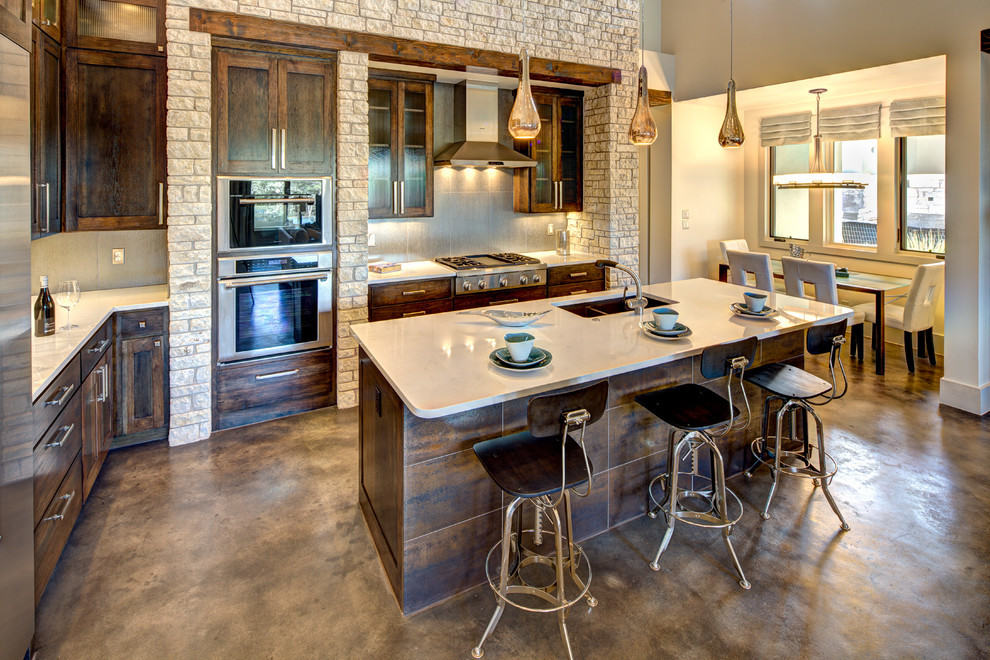
Concrete is perhaps the most advantageous alternative kitchen floor in use today. Although it looks like stone, concrete can be customized through dying, texturing, stamping and scoring to achieve any desired look or appearance. To complement your kitchen décor, consult an experienced kitchen remodeler and discuss the best options for your project. For instance, consult any reputable company, which engages in DC plumbing renovations, if you live in the Washington city region. Concrete is far much cheaper than stone and it absorbs heat; thereby reducing energy bills.

Because it inhibits mold, mildew, and odors, concrete improves air quality in the home; it can also be finished with zero-VOC sealers. Suitable for an urban-chic kitchen style, concrete is durable, water-resistant, and easy to clean and maintain — best option for households with kids and pets. Concrete slabs are also becoming popular finished kitchen flooring options.


Rubber


Rubber is available as either sheet or tiles and it comes in a vast array of colors, patterns and textures. Recommended for contemporary kitchen remodeling styles, rubber is strong, affordable, durable and easy to clean. It is nonporous, does not burn easily, and requires easy DIY installation. It is warm, soft and springy, and noiseless to walk on. There are also eco-friendly rubber floors made from recycled rubber and rubber-cork blends.
5 Amazing Tips To Maximize Bathroom Space

One of the main reasons for doing bathroom renovations or makeovers is to create extra space. With an emphasis on the creation of an idyllic bathroom space, all modern-day bathroom remodeling designs aim at maximizing the available space to ensure a cozy, spa-like bath experience. In most cases, it is not possible to extend the physical space of the bathroom in terms of square footage. Luckily, home remodelers have discovered some clever interior design techniques that can be implemented to create an expansive feel/tone in a relatively small space. Consider the following ingenious space optimization ideas to create a “big” comfortable room in the existing tiny bathroom space.


dc-bathroom-renovation


Glass And Reflective Surfaces


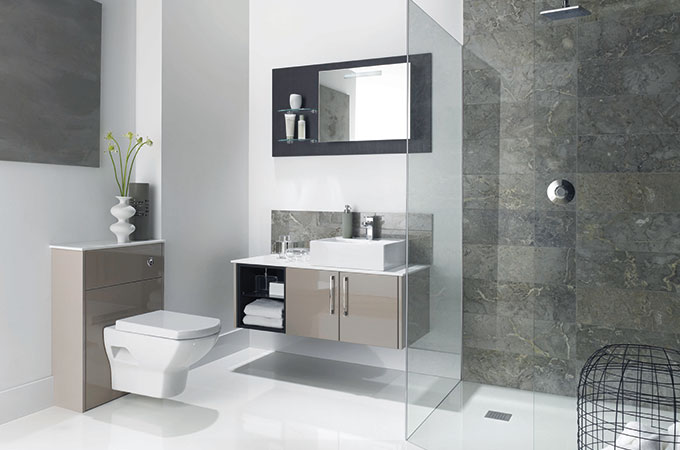
Glass and reflective surfaces help to make the bathroom space appear larger than it really is. Use a lot of glass in the most experiential sections of the bathroom, such as the entrance to the shower space, to create an expansive spa-like environment. Include a lot of reflective surfaces including the countertops, cabinets, vanities, fixtures and shelves to enhance the expansive feel in the bathroom. Installing large mirrors to reflect the soft wall colors will also optimize the “big space” illusion. You can also use the common technique of installing two mirrors (or more in a tiered design) on opposite walls to create multiple reflections at each other and create an illusion of continuing space where there is none.


Lighting (Natural And Artificial)


Create an open, airy feel by directing natural/sun light into the bathroom using various window installations. If the bathroom layout permits it, place a bay window in your small bathroom. Otherwise, install either a small operable or glass-block window outside, or in the shower, to allow as much sunlight as possible into the shower area. You can also consider installing regular/tubular skylights to trap as much sunlight as possible.

Use recessed lighting techniques to enhance the brilliance of the bathroom space without appearing too obtrusive. Install recessed lighting fixtures in any part of the ceiling and focus them on any area to make it more open and expansive in appearance. To ensure energy efficiency and avoid heat-related discomfort, choose the number and type of artificial lighting fixtures carefully.


Floor Space


Implement functional space substitution tactics to create “extra” floor space in your bathroom. For instance, if you have alternative storage space, consider replacing your vanity cabinet with an “economically sized” fixture like a wall-mount sink or a pedestal. Although the freed up space is not functional, it creates the illusion of a larger bathroom. Consult your residential plumber on insightful space maximization tips such as these. For instance, contact any professional plumbing company specializing in DC bathroom renovations if you live in the Washington DC city area. Discuss any other productive space usage tips with these plumbing experts, such as installing wall-mount toilets or replacing larger toilets with smaller ones to enhance the “large space” effect.


Color Schemes


Create the illusion of a much larger space by painting the bathroom floors and walls with pale, soft colors. Deep/dark, rich/strong colors are unsuitable for small bathroom spaces. If you wish to brighten the décor with bright colors, buy radiant accessories, towels, and decorations.


Embellishments


Go for “space expanding” decorations like crown moldings to maximize tiny ceiling space.  Choose and install a crown molding of the right size and type to expose the space itself and ensure longevity.  Tiles can also be used to create a contemporary and visually appealing bathroom scene.  Combine one or two of the above mentioned techniques for optimal space results.

3 Most Popular Kitchen Remodeling Designs

Picking your favorite kitchen design is one of the most important activities during the planning stage of your kitchen remodeling project. Depending on your functional and aesthetic needs and preferences, you might opt for a conventional or a hybrid kitchen design style. Needless to say, your budget will play a huge role in determining the most appropriate design style for your kitchen. Depending on the kitchen layout and features, there are three main/conventional types of kitchen designs: gourmet, family-friendly and entertaining. If you wish, you can implement an altered/hybrid version of any of these styles by combining some features from each or all of them. To choose rationally, consult a reliable kitchen remodeler in your locality. For instance, search for any professional plumbing company offering DC kitchen renovations in its service bouquet if you live in Washington. Outline your project features to these experts and request their advice on the most appropriate design for your kitchen.


Gourmet Kitchen


Regarded as the best option for a foodie, this bon vivant kitchen design focuses on functional performance as opposed to aesthetic appeal. A gourmet kitchen features professional appliances and fixtures, ample facilities for specialty storage, and durable and easy-to-maintain countertops and surfaces. Appliances and fixtures are chosen for performance and the layout focuses on functional zones for food preparation and cookery, meal service, and after-meals cleanup.

They usually feature multiple sinks, lowered countertops for baking, wood butcher-block counters for food chopping, open shelving storage cabinets, and large tile, rubber or wooden floors that are easier on the feet. Quartz is usually the surface of choice because it is strong, easy-to-clean, stain-resistant, nonporous, and durable. They usually have task lighting fixtures like under-cabinet lighting and pendants to focus light on specific workspace zones. Some of the most common gourmet kitchen appliances and features include professional-grade gas ranges, double ovens, warming drawers, dishwasher drawers, convectional microwaves and stand-alone refrigerators.


Entertaining Kitchen


dc-kitchen-renovations


Regardless of the space size, entertaining kitchens are designed to host house guests — whether for casual or formal parties, buffets or sit-downs among other events. They feature specialty features that are meant to ease the service of food and beverages in the kitchen area. Although space is not a key factor, you should consider the floor space in relation to the expected number of guests per session.

To underline the functional nature of this design, entertaining kitchens merit sleek appliances for entertainment, such as flat screen TVs, glass cabinets to display beautiful dishware, and point-of-service refrigeration, instead of professional-grade kitchen equipment. Mostly, these kitchens are adorned with stainless steel features including warming drawers, double dishwashers and wine coolers. In some cases, raised countertops are used as cooking spaces and to hide dishes, while in other cases they serve as party dining surfaces (snack bars, dining tables or support surfaces for guests).


Family-Centered Kitchen


As the name suggests, family-centered kitchen designs include features and a layout that aims at optimizing the functional value of the kitchen in relation to household needs. Basically, this design style must cater for individual cooking and nutrition needs for each and every member of the family including the kids, pets and even the parents as they prepare household meals. Although gourmet and entertaining kitchens include family-friendly features, family-centered designs focus only on creating functional household kitchen spaces. To enhance the functionality of the kitchen as demanded by the household, family-centered kitchen designs empathize space planning and cabinet storage features.

Family-centered kitchens feature easy-to-clean and durable countertop surfaces and floors like quartz or laminate, accessible pantry cabinets for storage of foodstuffs, snack bars, refrigerator drawers, and convectional microwaves. These kitchen designs usually feature an open plan layout that blends the kitchen and the living room together.

Splurge And Save Tips For Your Kitchen Remodeling Project

With the ever-rising cost of living, home remodeling project can turn into a budgetary nightmare for its financiers. Similarly, a typical kitchen remodeling project is likely to stretch your spending limits and might even stall halfway through if not properly planned. The secret to any successful home renovation/makeover project is to identify areas/sections that require heavy spending and those that can enable you to save. In order to determine the key areas to save and spend on, you must first outline your project needs, preferences and objectives. Depending on your budget, your kitchen remodeling project might turn out to be high-end, average, or “on a budget.” Whichever the case, you must highlight your focal points and your priority features; either functional or aesthetic installations. In addition to your custom remodeling save/splurge focal points, the following tips will come in handy when considering general budgetary allocations for each section of your kitchen.


Countertops


Unless the countertop is the focal point of your kitchen design, save on it. If you have a low to medium size kitchen remodeling budget, consider the use of placeholders for countertops. Simply put, instead of straining your budget with an expensive countertop like marble, go for a cheaper option, such as a half-priced laminate lookalike, to function as your work surface stand-in until you get money to upgrade in the future. Consult an experienced kitchen renovator and ask for useful saving tips on countertop styles. This idea can be carried over into many areas of your renovations, and talking everything over with a professional Washington plumber providing DC plumbing upgrades will assist you greatly. Also, source for similar but cheaper countertop material alternatives — instead of splurging on an expensive grade 5 granite countertop, choose a grade 2 surface for a better ROI.


Cabinets


Be prepared to spend heavily on cabinetry. Basically, cabinet costs will soar when you include delivery expenses, taxes and installation costs. Additionally, the installation of various cabinetry features like drawers, shelves, roll-out trays, ceiling high cabinet extensions and corner cabinet fit-outs will increase the costs significantly. When budgeting for cabinetry, splurge on functionality and durability. For instance, install drawers in base cabinets to enhance storage accessibility and go for ceiling-high wall cabinets for more storage. A waste recycling unit is a must-have and soft-close drawers and cabinet doors are a necessary convenience today. Although you are advised to save on the actual cabinet construction materials, such as choosing veneer over solid wood, use plywood instead of particle board to build cabinet sides and shelves in order to ensure strength and longevity.


Appliances


Because they are the most utilized features in the kitchen, splurge on appliances. Focus on energy quality and efficiency as indicated by warranties and product features. However, ensure a balance between your budget for appliances and hardware installations. If you overspend on any of these features, you will risk having a stalled project due to diminished implementation funds. Select stainless steel appliances to ensure longevity, attractiveness and home value enhancement.


Hardware and Fixtures


dc-plumbing-upgrades


Refresh your kitchen cabinet looks by installing new knobs, pulls and handles. These functional and aesthetic enhancements can be acquired for very little money; provided you consider their quality. Enhance the visual appeal of your kitchen and render a rich tasteful décor by replacing the brushed stainless steel hardware with trendy oil-rubbed bronze, nickel or pewter options.  Likewise, choose a finish that gives your faucets and sinks a classy and tasteful appeal.


Tiles


Use ceramic tiles to create unique wall back-splashes and large porcelain tiles to give an updated and modern outlook to the kitchen floor. As compared to natural stone, porcelain tiles are hardy, affordable and durable surface materials that are able to resist cracking and chipping. Save on floor tiles by choosing porcelain tiles that resemble natural stone, but spend on back-splash deco tile designs like glass tile mosaics.

Comparing The Most Common Kitchen Countertop Styles

Like all other expansive kitchen installations, countertops highlight the beauty and performance of the visible room surfaces and spaces. If you decide to make countertops the focal point of your kitchen remodeling project, be ready to splurge a significant portion of your budget on them. In such a case, you should base your entire kitchen design including the color scheme, cabinets and furniture installations on the appearance and nature of your showpiece countertop. Even for low budget kitchen renovations, you can still install incredible countertops by being creative and overtly imaginative. It is advisable to seek the services of an expert remodeler in your locality for assistance on these intricate countertop design decisions. You can consult any professional plumber offering DC plumbing services and home makeover services if you live in the Washington DC region. Mostly, you will need to choose a suitable option from the following countertop styles.


Butcher Block


Butcher block countertops are made from wood. They are quite affordable and relatively easy (DIY) to install. Like all other wood surfaces and finishes, butcher block projects warmth and a natural kitchen outlook. It matches and complements stainless steel fixtures, appliances and stretch cabinets. However, butcher block is susceptible to knife cuts and is damaged — warped and cracked — by heat, humidity and excess moisture. Because it is not stain resistant, oil the butcher block regularly and clean it with a damp cloth and soap. Mild nicks can be sanded away but avoid chopping directly on the block’s surface to enhance longevity. Maple is the most popular option — other choices include teak, oak and walnut.


Natural Stone


There are two main types of natural stone countertops: granite and marble. Both granite and marble have the traditional look of natural stone and are considered high-end/luxurious preference in kitchen remodeling projects. Granite comes in many different color combinations enabling you to choose a unique, enticing pattern and style for your kitchen.

Granite is available in many different grades, with some relatively affordable (lower) grades available in the market today. Comparatively, marble is still quite expensive. Be careful when selecting granite to avoid buying “bad” granite with natural fissures that look like chips. Natural stone countertops are porous and prone to staining, etching and chipping. Therefore, seal granite and marble countertops regularly and wipe spills quickly to ward off stains. Avoid placing hot items directly on the granite countertop to keep it from cracking and getting discolored.


Laminate


Available in a variety of popular brand types like Formica and seamless laminate, this is one of the most affordable kitchen countertop styles. Laminate is available in a huge number of looks, patterns, solid colors and styles including wood and natural stone lookalikes. Faulted for not being as durable as natural stone, laminate survives a moderate lifespan period of about 10 years or so. Because it is susceptible to burns, scratches and chipping, laminate requires careful cleaning and maintenance. Clean it with soapy water and a very soft cloth and avoid the use of abrasive cleaners to keep it from scratching. Protect the countertop surface from heat by always placing hot dishes on trivets.


Quartz


plumbing-service-dc


Engineered quartz is the hardiest — it’s stain and scratch resistant and waterproof — and one of the most attractive kitchen countertop styles in the market today. Engineered quartz is a mix of materials, made from pulverized and ground natural stone and then mixed with polymer resins.  It comes in countless colors, styles and patterns including solid colors and natural stone stand-ins. Except for the routine wipe with a damp cloth, quartz requires no maintenance. Although it costs as much as some types of natural stone like marble, quartz countertop is an artificially produced material.

4 Tips To Choose The Best Bedroom Floor For A Home Renovation Project

The bedroom is the comfort retreat in a home. Whether it’s a kids’, master or guest bedroom, this room should be as cozy as possible in terms of decor, furnishings and general ambience. Whether it’s a full home makeover project or a partial (bedroom-only) remodeling project, you should always choose the most appropriate floor for the new bedroom. When choosing a bedroom floor, keep the following factors in mind: your lifestyle, project budget, the designated bedroom user and desired design style, such as contemporary, traditional, or shabby chic among others. Incidentally, bedroom renovations merit functional qualities as much as aesthetic values. Therefore, try to strike a balance between these two considerations, when choosing new bedroom features, to create an idyllic relaxation space. The following tips will help you compare various functional and aesthetic factors when choosing the perfect floor for your bedroom renovation project.


dc-bathroom-remodeling


Beauty And Value


Two of the most important reasons for undertaking a home makeover project are to embellish the house and increase its value. When choosing a bedroom floor, you should consider the most rewarding option in this regard. Whether you use solid or engineered hardwood floors, your bedroom will achieve a more attractive look and your home’s value will soar. If you are renovating a master bedroom suite, you can install a hardwood floor throughout the floor space including the bathroom area. Hardwood floors are suitable for kids’ bedrooms because they age at par with the child. They also render a bed and breakfast ambiance when installed in guests’ bedrooms. Hardwood floors made from oak and other traditional hardwood trees are the classic and most popular choices in this regard.

You can also go for eco-friendly wood floors like bamboo and eucalyptus to ensure sustainability and durability. Such green home renovation installations result in massive increases in home value. For a luxury bedroom makeover, consider rare hardwoods like the Brazilian koa wood floor, which is breathtakingly exquisite, very durable and incredibly expensive.


Warmth And Silence


To achieve the cozy feel mentioned above, you should consider bedroom floors that are warm and quiet to walk on. Carpets are warm, comfortable underfoot, and absorb noise; thereby creating a serene bedroom chamber. You can go with wall-to-wall carpets or a large section rug with bound edges to showcase some sections of the floor space. Choose a tasteful color and an adorable style like loop or weave. Select a suitable carpet made from synthetic fibers or enhance your bedroom’s luxurious appeal with natural wool or silk carpets. For a wall-to-wall installation, consult a reputable bedroom remodeler for advice on the best carpet type for your space. Remodeling a master bedroom usually involves the master bath, as well. Depending on your tastes and preferences, master bedroom suite mobility and budget, consulting a trustworthy plumbing company in your area, such as any professional plumber in DC if you live in the Washington city area, will help you keep everything coherent and cohesive; plumbers will help you get the look and layout you want while maintaining your existing plumbing or be able to recommend changes that need made.


Easy-To-Maintain And Tough


Depending on your local climate and your preferred decoration style, you might overlook warmth and silence for a more affordable and easy to maintain floor choice like tiles. Floor tiles, such as porcelain, ceramic and travertine, are hardy floor materials that can be installed in warm climates to render bold floor designs like rustic and bohemian. They are suitable for high traffic areas because they are tough and easy to clean.


Durable And Customizable


If you wish to match or even complement any unique bedroom decoration style, choose an easy-to-customize floor type like concrete. Concrete can be dyed, textured and stamped to achieve just about any imaginable design style or pattern. It is suitable for warm climates and for contemporary renovation designs. Like tiles, concrete is easy to maintain and very durable.

Effective Green Plumbing Ideas For Your Home

As the whole world comes together to reduce pollution and mitigate its negative climate change effects, all homeowners must realize that environmental conservation is no longer a matter of choice, it is a personal responsibility. One of the most crucial home areas in this regard is the plumbing system. By adopting some eco-friendly plumbing solutions in your home, you will not only be saving yourself some utility related expenses, but also making the world a better, healthier place.

Depending on the nature of your home plumbing system, there are many insightful ideas that can turn your home green. Basically, all green plumbing ideas involve enhancing the efficiency of your home by curbing water and energy wastage and hence reducing resource usage. Consult a knowledgeable local plumber, who is committed to environmental sustainability, for advice on the issue. For environmentally friendly plumbing services in the vicinity of Washington, consult any professional plumbing company that provides eco-friendly DC plumbing repairs and installations. As you embrace the idea of a healthier home and planet, consider the following green plumbing tips.


Save Energy


There are several effective energy conservation tips that can help to curb energy loss and reduce total energy consumption in a typical household. Start by reducing energy loss in your water heating system by implementing the following ideas. Install an efficient water heater, such as tankless/on-demand or solar, instead of a conventional storage water heater system. By adopting this idea, you will save on two fronts, energy loss and water usage. Although the initial purchase and installation costs might be relatively high, an efficient unit is more economical because it incurs lower operating (energy use) costs. Secondly, install an insulated piping network from your hot water heater to your showers and faucets and ensure that none of the pipes are outside your walls — to reduce heat loss.


Save Water


plumbing-repair-dc


To reduce resource (water) wastage and promote environmental sustainability, try to curb water loss in your household as much as you can. Consider the following water conservation ideas. Start by installing low-flow faucets and bathrooms showers to reduce water loss through splashes and sprays. Secondly, install low-flush toilets that are certified and approved as water-efficient by the EPA. Thirdly, reduce the flow rate of your faucets by screwing flow reducers on them. Finally, repair leaking pipes promptly and use energy-efficient home appliances, such as dishwashers and laundry machines, to reduce their water consumption.


Sustainable Home Water System


In your quest to create a healthier environment and planet, you should also make sure that your home is healthy. Start by assessing the quality of your household water supply to ensure that it is clean and safe for human consumption. Investigate the source of your water supply, consider the supplier’s water filtration and purification systems and procedures, and then have your water tested for quality by a professional.

You can also install a whole household water filtration system to clean your home water supply. An efficient filtration system will trap the microorganisms, sediments, and chemicals in your water leaving it healthier for drinking and cleaner for the water heaters. Similarly, you can install activated carbon filters on faucets and shower heads to absorb water pollutants and ensure clean water. Finally, install an effective/sustainable water “recycling” system, such as a reverse osmosis water purification system, to create purified drinking water. This idea will promote your two green objectives: a healthier home and a healthier environment.

Choosing The Best Floor During Your Kitchen Remodeling Project

You should consider the following factors when choosing the best floor for your kitchen: the cost of floor material (in line with your budget), strength and durability, care demands, aesthetic appeal and installation demands among others. There are four conventional kitchen floor types: wood, ceramic tile, laminate and vinyl — and a number of green/eco-friendly floor types, such as bamboo, cork and linoleum. Faced with all these options, you might consider requesting professional assistance before making a choice. It is always a good idea to consult a reliable local plumber for all kitchen and bath remodels, because plumbing has an impact on almost every aspect of your remodel. Contacting any professional plumbing company in DC, if you live in the Washington DC locality, will start you off on the right track with good advice and better information. Discuss your floor needs with the company’s remodeling consultants before choosing the most appropriate kitchen floor type that is within your budget.


Hardwood


dc-plumbing-service


There are two types of wood kitchen floors: solid and engineered hardwood floors. Both types of hardwood floors complement a wide range of décor styles and are warm, quiet and easy to walk on. Their care/maintenance, strength and durability depend on the species of wood used and the finishing. Hardwood floors are quite expensive; with engineered hardwood costing as much as solid hardwood in some cases.

Although solid hardwood can be refinished many times if it scratches, it is easily stained and blemished by water and humidity if not properly sealed. On the other hand, engineered hardwood is not easily stained or affected by humidity because it has a tough fiberboard as its core.


Ceramic Tiles


Tiles are available from many different materials including cement, stone, porcelain and ceramic; hence are easy to blend and customize with many different colors and patterns. Although they require significant installation costs, they are very tough and durable, and are recommended for busy kitchens spaces. They are easy-to-clean but their grout lines are difficult to maintain — use large tiles with fewer lines. Unlike wood floors, tiles are cold, noisy and tough to walk on.


Laminate


Laminate is the ideal choice for anyone wishing to convey the natural look and feel of hardwood floors using artificial materials. Laminate is affordable, very durable and easy to maintain and install. It comes in many different colors and styles including wood, stone and even recycled materials. However, laminate is quite noisy and not as warm as hardwood floors.


Vinyl


Vinyl sheeting and tiles are the best floor types for a budgetary constrained kitchen remodeling project. Vinyl is cheap, water-resistant, easy to install and maintain, durable, and comes in many different colors and patterns. Unfortunately, vinyl floors tend to curl at the edges and they can turn dull and grimy if not properly cleaned.


Green Floors


Linoleum is one of the most popular green floor types that are making a comeback for being environmentally friendly. Popular in the mid 20th century, linoleum is made from linseed oil, cork dust, wood flour, tree resins, ground limestone and pigments.

Produced from bamboo grass, which is a fast-renewable product, bamboo is another eco-friendly floor option. Ensuring that your bamboo floor features a formaldehyde-free finish means that it’s green.

Like vinyl, cork flooring is available in sheets and tiles. It is made from the harvested bark of cork oak trees; making it environmentally friendly. Like ordinary wood, cork is warm, soft and quiet to walk on — it can also withstand moisture if properly sealed. However, cork is permanently ruined by deep scratches.

3 Major Factors To Consider When Hiring A Commercial Plumber

Commercial plumbing is an industry specialty that focuses on providing plumbing services to commercial clients like SMEs, institutions, government organizations, and large corporations. Typically, commercial plumbing projects are larger — resource-intensive in terms of time, money and equipment needs — than residential clients. Notwithstanding the alarming logistical complications, commercial projects are usually more profitable than residential projects due to the inherent financial benefits accrued from large-scale service operations.

Many commercial plumbers offer similar (in name and general definition) plumbing services to both residential and commercial clients; they usually differ in scale and actual implementation. Many plumbing companies usually start as local residential service providers before growing, expanding, and extending their client base to include commercial clients. As a commercial client, you require a reliable commercial plumber to look after your firm’s plumbing needs incessantly. Consider the following factors when choosing a commercial plumber and you will not regret your decision.


commercial-plumbing-dc


Competence And Experience


Unarguably, commercial clients are always after competent and experienced service providers, regardless of the industry. Same case applies to the hiring of commercial plumbers — business owners or managers prefer the crème de la crème in the plumbing industry. Naturally, all commercial plumbers claim incredible competence and extensive experience levels in their company profiles. However, you need to get assurances from their previous customers in order to validate these assertions. Considering client references and reviews will help to ascertain the quality of service (both technical and interactive) offered by a certain plumber. Additionally, you should consider the academic, regulatory, and technical qualifications and certifications of commercial plumbers in order to gauge their suitability for your business needs. Before hiring, inquire as to whether the plumber is certified, licensed, bonded, and insured and consult the state’s regulatory body to verify the information. Finally, find out the number of years that a certain plumbing company has been operational in order to gauge its operational experience.


24/7 Availability


In addition to handling large-scale plumbing projects like office renovations, commercial plumbers also offer routine plumbing services like pipe leakage mending, sewer system and line repairs, and water heater restoration. Commonly referred to as plumbing emergencies, minor plumbing problems usually occur abruptly and unexpectedly. If not contained as soon as possible, some of these seemingly minor plumbing problems can cause extensive damages, which might be very inconvenient and expensive to fix. Choose a 24/7 available plumber for your commercial plumbing needs. Look for a reliable plumber in your area who advertises his/her availability. For instance, search for a professional plumbing company that offers DC emergency plumbing services to get a full-time, always available, Washington-based commercial plumber.


Quality Conformity


If you are not careful, you will fall prey to unscrupulous plumbing companies that prefer using low quality plumbing materials in order to increase their project earnings. Before hiring a commercial plumber, inquire about the kind of materials, installations, and fixtures that they use in their plumbing projects. Consult and research about the quality and cost of their preferred plumbing materials in order to gauge the quality of their services. Checking the warranty period and the operational service guarantees on various plumbing products and projects respectively — these will shed light on their quality and durability. Poor quality materials and fixtures are not durable and are hence uneconomical and inconvenient for your plumbing projects.

4 Factors That Impact Whether To Move Or Remodel For Additional Office Space

As your business grows and expands its operations, sooner or later you will have to address a space limitation problem. Whether you need to expand the existing office space to accommodate workforce growth or to create floor space for a new department/division, you will need to come up with the most economical and convenient solution to alleviate the space problem in your workplace. Mostly, space problems can be resolved by either “carving out” new office space from the existing space through a simple remodeling project or by moving/relocating to new offices that suit the growing space needs.

Generally, renovation, which is an easy-to-implement and relatively affordable option, is more appealing than the business relocation option — a resource-intensive process that requires extensive infrastructural changes and logistical planning. However, there are some compelling reasons that might encourage or even force you to move your business to a new building. Consider the following factors when deciding on whether to renovate or move for additional office space.


DC Plumber


Space Needs And Functionality


The most important consideration when deciding whether to remodel or move for additional office space is your firm’s space needs. In order to make a rational decision, you must consider both current and future space needs — factor in projected business growth in order to estimate future space needs. Remember, there are two main reasons for acquiring additional office: workplace functionality and employee satisfaction. First, as the business grows, you need to expand the floor space to eliminate congestion, ensure free movement and sustain efficient operations in all business activities; thereby enhancing workplace functionality.

Secondly, by creating a more spacious, airy, and lighted office space, employees will work in a cozier environment making them happy and satisfied; thereby optimizing workforce productivity. Therefore, if you cannot acquire any additional space through remodeling, you have no other choice but to move. Frankly, the office remodeling option is quite limited, in that there is only a limited chance of fulfilling your space requirements in a certain building or floor. However, compared to the business relocation option, the remodeling option is very dependable and convenient whenever it is applicable.


Project Viability


Before you dismiss either of the two space expansion options, you must consider the practicality or viability of each option in relation to your business needs. For starters, if you decide to go with the office renovation option, you must consult and invite a local, professional plumber to assess the viability of this option under the prevailing circumstances. For instance, you might call a plumber renowned for offering DC commercial plumber services in Washington DC, if you live in this city. This commercial plumber must assess whether you can gain the needed additional space through the restructuring project. If not, you have to no choice but to move.


Cost


Apparently, moving/relocating the entire business to a new building is more expensive than using restructured space layout designs to gain more space in an in-house remodeling project. Depending on your overall business strategy and other incidental operational factors, you can decide to lease, buy, or build if you go for the business relocation option instead of remodeling. Unfortunately, all these choices are costly and time-intensive because they all require the actual relocation of the entire business. However, you must not settle for office remodeling just because of limited funds. If your space needs necessitate relocation, postponing the inevitable move will become too expensive in the long run due to the cumulative remodeling and eventual relocation costs.